On festival nights, when the village turned its lamps into constellations and hung strings of salted fish as offerings to whatever kept the tides—on those nights the two disciples would sit outside the cottage and talk about lessons Mave had left like seeds: the exact hour to collect dew, how to sew a seam so it took the shape of a story, how to refuse a wish that would hollow. They told tales of the lord’s wife who finally learned to plant, of the child whose cough left like a small bird. They told of failures, for those were the brittle honored things.
One winter a child found the fen frozen in a hard sheet, and the reeds were brittle as bone. The child came to Mave with frost in her hair and a cough like a hung bell. Her parents had tried everything—sweat, broth, prayer—but the cough ate. Mave took the child, whispering to the wood of the cradle as if it too were alive. She made a medicine of goose fat and thyme and something she pulled off a high branch: a scrap of song that smelled faintly of bees. When the medicine went down the child’s mouth, she stopped coughing, as if someone had removed a stone. The parents paid with a woven shawl and a promise. They went home to tell the story. The village’s fear thinned for a day.
Power continued to come, as it always had: a child with too many wails, a husband with a cough that never learned to leave, a man whose farm yielded only thin potatoes. Some left with cures, some with counsel. They refused others—people who wanted a charm to make their brother marry a woman he did not love, or a coin to damn a trading rival. "We do not give malice room," Em would say, and her hand moved on paper until the thought of malice had been turned into a diagram and set aside.
They grieved. They boiled the kettle until the steam made the windows weep. They bared their souls to the jars they had made together, finding the absence of her hands in every place they used to rest. The village came, tentative as frost, bringing shoes and onions and questions. Em drew the coming and going of each person in sharp graphite lines. Lior fed the sick and measured doses, and sometimes, at the edge of the night, he read from Mave’s old ledgers until the words tasted like lullabies.
Time is a sieve. It lets some things stay and lets others slip through. Lior grew deft at scent and stitch, and his mouth learned the economy of silence; Em’s drawings gathered into a small book the size of a prayer—lines and maps and marginalia that caught stray truths. Mave grew thinner at the edges and slower at the chores. She began, one morning, to leave the kettle to its own devices and to listen for a lull in the world as if summoning an answer.
On festival nights, when the village turned its lamps into constellations and hung strings of salted fish as offerings to whatever kept the tides—on those nights the two disciples would sit outside the cottage and talk about lessons Mave had left like seeds: the exact hour to collect dew, how to sew a seam so it took the shape of a story, how to refuse a wish that would hollow. They told tales of the lord’s wife who finally learned to plant, of the child whose cough left like a small bird. They told of failures, for those were the brittle honored things.
One winter a child found the fen frozen in a hard sheet, and the reeds were brittle as bone. The child came to Mave with frost in her hair and a cough like a hung bell. Her parents had tried everything—sweat, broth, prayer—but the cough ate. Mave took the child, whispering to the wood of the cradle as if it too were alive. She made a medicine of goose fat and thyme and something she pulled off a high branch: a scrap of song that smelled faintly of bees. When the medicine went down the child’s mouth, she stopped coughing, as if someone had removed a stone. The parents paid with a woven shawl and a promise. They went home to tell the story. The village’s fear thinned for a day. the witch and her two disciples
Power continued to come, as it always had: a child with too many wails, a husband with a cough that never learned to leave, a man whose farm yielded only thin potatoes. Some left with cures, some with counsel. They refused others—people who wanted a charm to make their brother marry a woman he did not love, or a coin to damn a trading rival. "We do not give malice room," Em would say, and her hand moved on paper until the thought of malice had been turned into a diagram and set aside. On festival nights, when the village turned its
They grieved. They boiled the kettle until the steam made the windows weep. They bared their souls to the jars they had made together, finding the absence of her hands in every place they used to rest. The village came, tentative as frost, bringing shoes and onions and questions. Em drew the coming and going of each person in sharp graphite lines. Lior fed the sick and measured doses, and sometimes, at the edge of the night, he read from Mave’s old ledgers until the words tasted like lullabies. One winter a child found the fen frozen
Time is a sieve. It lets some things stay and lets others slip through. Lior grew deft at scent and stitch, and his mouth learned the economy of silence; Em’s drawings gathered into a small book the size of a prayer—lines and maps and marginalia that caught stray truths. Mave grew thinner at the edges and slower at the chores. She began, one morning, to leave the kettle to its own devices and to listen for a lull in the world as if summoning an answer.
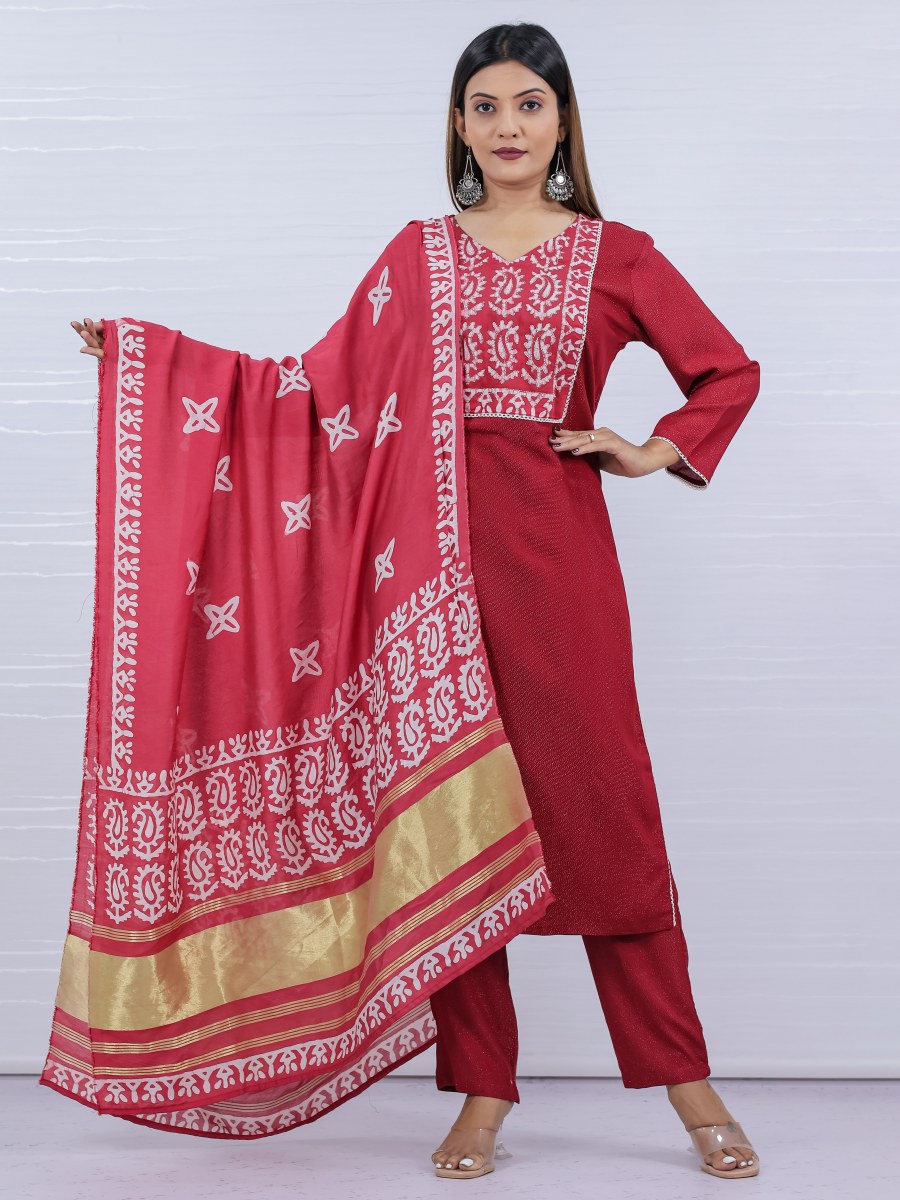
At 7 Seasons, quality is not just a standard—it’s a promise. We are dedicated to delivering premium garments crafted with precision, using high-quality fabrics and sustainable materials that ensure durability, comfort, and ease of care. Every piece reflects our unwavering commitment to exceptional stitching, flawless finishing, and meticulous attention to detail, meeting and exceeding international quality standards. Our trend-driven designs blend traditional Indian craftsmanship with contemporary fashion sensibilities. The 7 Seasons design team closely follows global trends to offer collections that are fresh, stylish, and in demand. From casual ethnic wear to elegant formal attire, our diverse range caters to men, women, and children across different markets and cultures. While we never compromise on quality, 7 Seasons remains committed to offering competitive pricing. Our pricing structure allows clients worldwide to provide their customers with high-quality products while maximizing their profit margins. Whether you’re a boutique or a large-scale retailer, partnering with 7 Seasons means accessing garments that combine uncompromising quality with global style appeal.